About Me
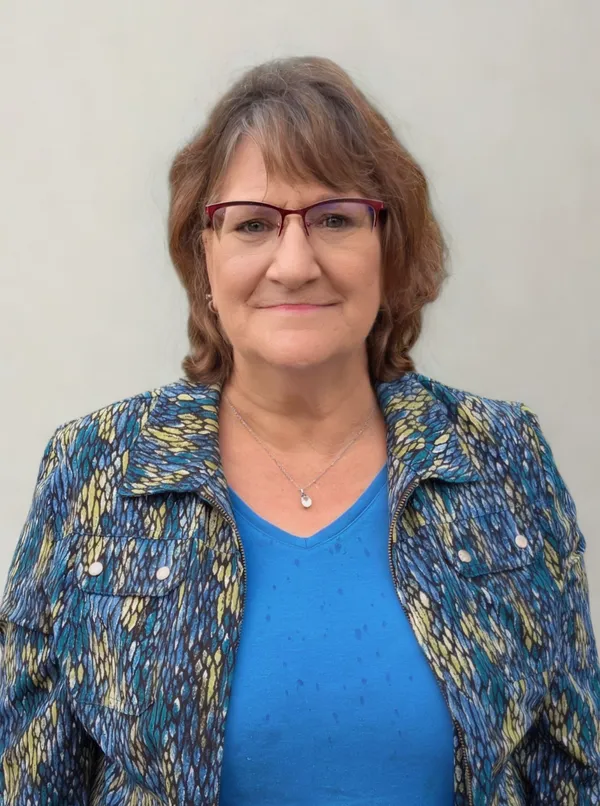
I studied history and political science at Bemidji State University and got my start working for Governor Rudy Perpich, Congressman Jim Oberstar and Senator Paul Wellstone. While I worked for some of the best, I didn't learn how politics impacts real people from a capital office. I learned it at my kitchen table.
As a working class, single mother raising two kids, I've spent years navigating a system that often feels broken and disconnected from everyday people.
Today, I'm still living that reality and doing the ground work. I currently work two jobs: by night, I'm a crisis counselor answering calls for the 988 Suicide & Crisis Lifeline, and by day, I'm a part-time restaurant server. I see our community's struggles firsthand, and I'm running to make government work for the people who live here again.
My Platform
Money in Politics
The undeniable influence of big corporations, billionaires, and powerful special interest groups has left many Americans feeling that the voice of massive wealth will drown out the will of the people.
You cannot fight to get big money out of politics by taking that very same money to fund your own campaign. That is why I refuse to accept a single dime of special interest or PAC money—relying instead solely on individual contributions. My time, my energy, and my vote belong exclusively to the people of District 7A.
Fair Funding for Schools
Our land and our minerals on the Iron Range provide nearly 70% of the money that goes into the Permanent School Fund. Yet, only a tiny fraction of that money ever makes its way back north.
While placing the release of more funds on the November ballot is a step forward, we must address the fundamental inequalities in the state's funding formula. Currently, millions of dollars are funneled to wealthy Twin Cities school districts that barely notice the influx, often placing it straight into contingency funds. Meanwhile, that same amount would completely transform a financially strapped district on the Iron Range or anywhere across Northern Minnesota.
The quality of a child's education in Minnesota should never depend on their zip code. It's time to reform the formula and ensure that our permanent school fund is used to address some of the funding imbalances faced by our rural school districts, which are created by the strict per pupil formula used in Minnesota.
Fraud Prevention
If nothing else, the recent massive fraud scandals have taught us a clear lesson: private entities do not do everything better than the government.
One of the inherent difficulties in uncovering and prosecuting fraud is that we rely on white-collar investigators to investigate white-collar crimes. To truly prevent fraud before it happens, we need people on the ground who understand these systems inside and out.
We can do this by requiring county human services departments to reserve 50% of all new financial worker hires for individuals who have recently received benefits—such as food, rent, healthcare, or childcare assistance—within the past six months.
Bringing recent recipients into these roles provides three critical advantages:
Closing the Loopholes: Individuals who have actually navigated these systems know exactly what questions to ask. They understand the real-world application process and can identify the gaps that allow bad actors to cheat the system.
Protecting the Resource: Those who have relied on these benefits know firsthand how essential they are for survival. They will be fiercely protective of these resources and far more likely to notice and report when corporate vendors are defrauding the government or failing to provide the services they claim to.
Breaking the Cycle of Poverty: As an added benefit, this policy directly impacts poverty in Minnesota. It moves individuals who were recently struggling financially into steady, good-paying county jobs with union contracts, health benefits, and retirement security.
By restructuring our workforce to include those with lived experience, we don't just build a stronger firewall against fraud—we create a direct pathway into the middle class.
Affordable Housing
While I applaud the Minnesota Legislature for allocating significant funding to address our affordable housing shortage, we cannot solve this problem by handing that money over to the very same entities that helped create the crisis in the first place: corporate landlords and large developers. Worse, some current proposals seek to circumvent local ordinances, stripping communities of their right to ensure new developments meet local quality standards.
We need a two-pronged approach that protects our communities and empowers everyday Minnesotans to be part of the solution.
First, we must encourage new, community-aligned housing projects. Second, we should directly involve individual taxpayers through a homeowner rebate program.
Imagine if the state offered a 40% rebate on the construction costs for homeowners who build an accessory dwelling unit (ADU)—often called a "mother-in-law apartment"—on their property.
This localized approach would do more than just add immediate housing stock; it directly addresses the critical shortages we face in childcare and eldercare. By creating a safe, independent space on family property, we allow families to support one another naturally. It provides a dignified way to care for aging parents or young children right at home, easing the burden on our strained healthcare and childcare systems while keeping families connected
Healthcare
Rural hospitals are at risk of closure, due to federal cuts. Our hospital in Hibbing is on the most vulnerable list. With the rise of high deductibles and the increase of uninsured and under-insured patients, If we don't find a way to fund our hospitals fast, we will lose access to healthcare on the Iron Range. I support the Minnesota Health Plan, which guarantees that all Minnesotan's will have access to healthcare and ensures that hospitals will be properly funded.
In the meantime, there's steps we can take to make healthcare more affordable. I support legislating price caps on lifesaving medications. Our state has shown that it works with insulin and asthma inhalers.
We also need to create a new tier of dental licenses to allow for independent clinics with dental technicians who can do basic care like pull a tooth or fill a tooth. No one should have to travel hours for dental care.
Diversifying the Economy
I grew up on the Iron Range. I know and deeply appreciate the tremendous contribution that iron and taconite mining has made to our quality of life, our schools, and our low property taxes. But going forward, we need to seek innovative solutions to create jobs that will move us beyond a boom-and-bust, mining-dependent economy toward a truly diversified future.
I worry that an exclusive focus on the next mining project is crowding out other vital options. We should be looking at cutting-edge opportunities like underwater compressed air energy storage in our existing mine pits, helium development, or even expanding into movie production and manufacturing. These industries could directly utilize our world-class workforce and the incredible infrastructure we already have in place—infrastructure originally built to move ore cheaply and efficiently to the boats in Duluth.
True economic security for the Range means building a foundation where our workers have choices, our towns have stability, and our future is determined by our innovation, not just the global commodities market.
Get In Touch
Join Our Campaign
Ready to make a difference? Join Team Erin and help build a better future for Minnesota.
Email: teamerin7a@gmail.com
Donate Today!
Let’s show them that the people’s voice is louder than a lobbyist’s checkbook.